The Multiple OH Knot
多重止結, 多重止结, 多重止め結び, 다중 옭매듭
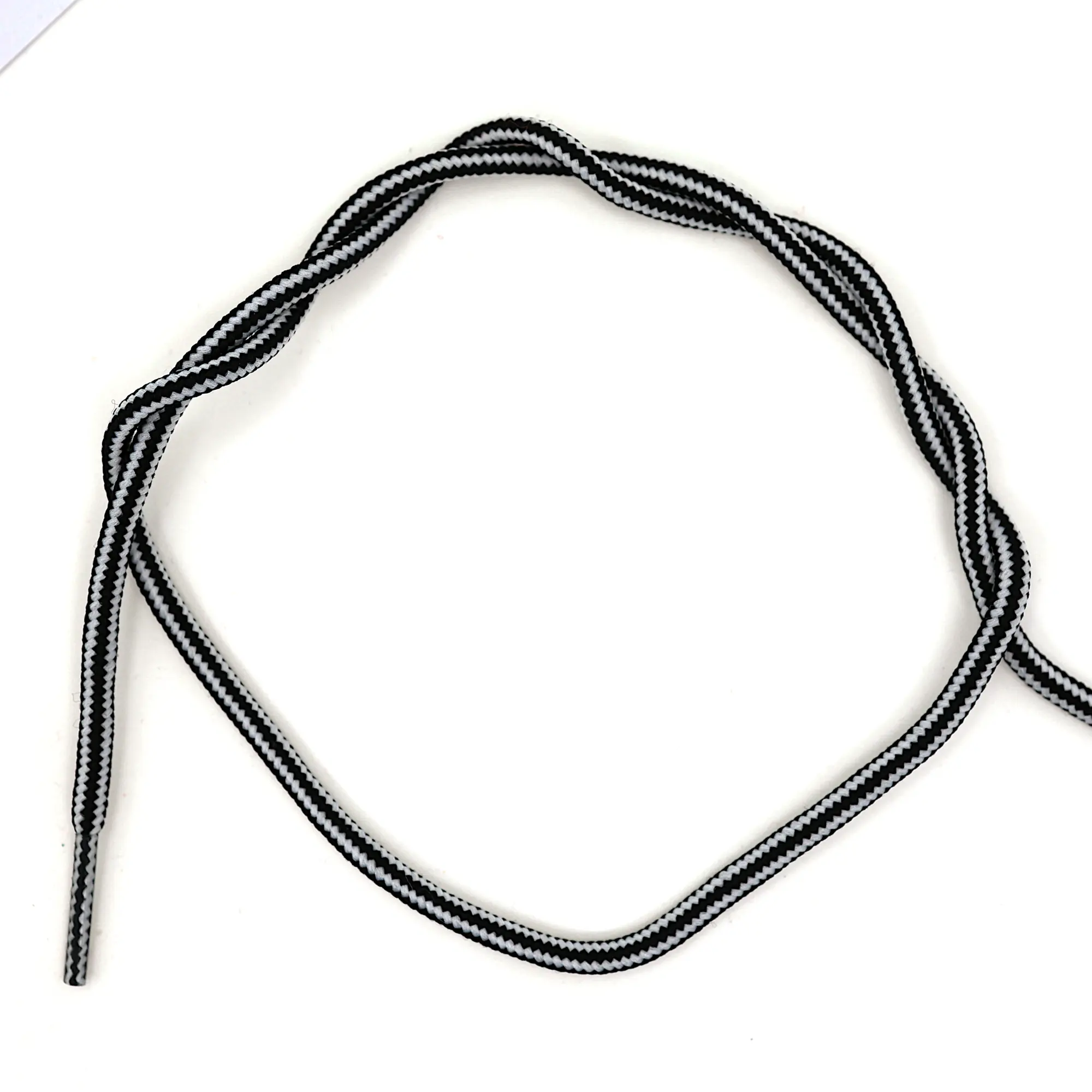
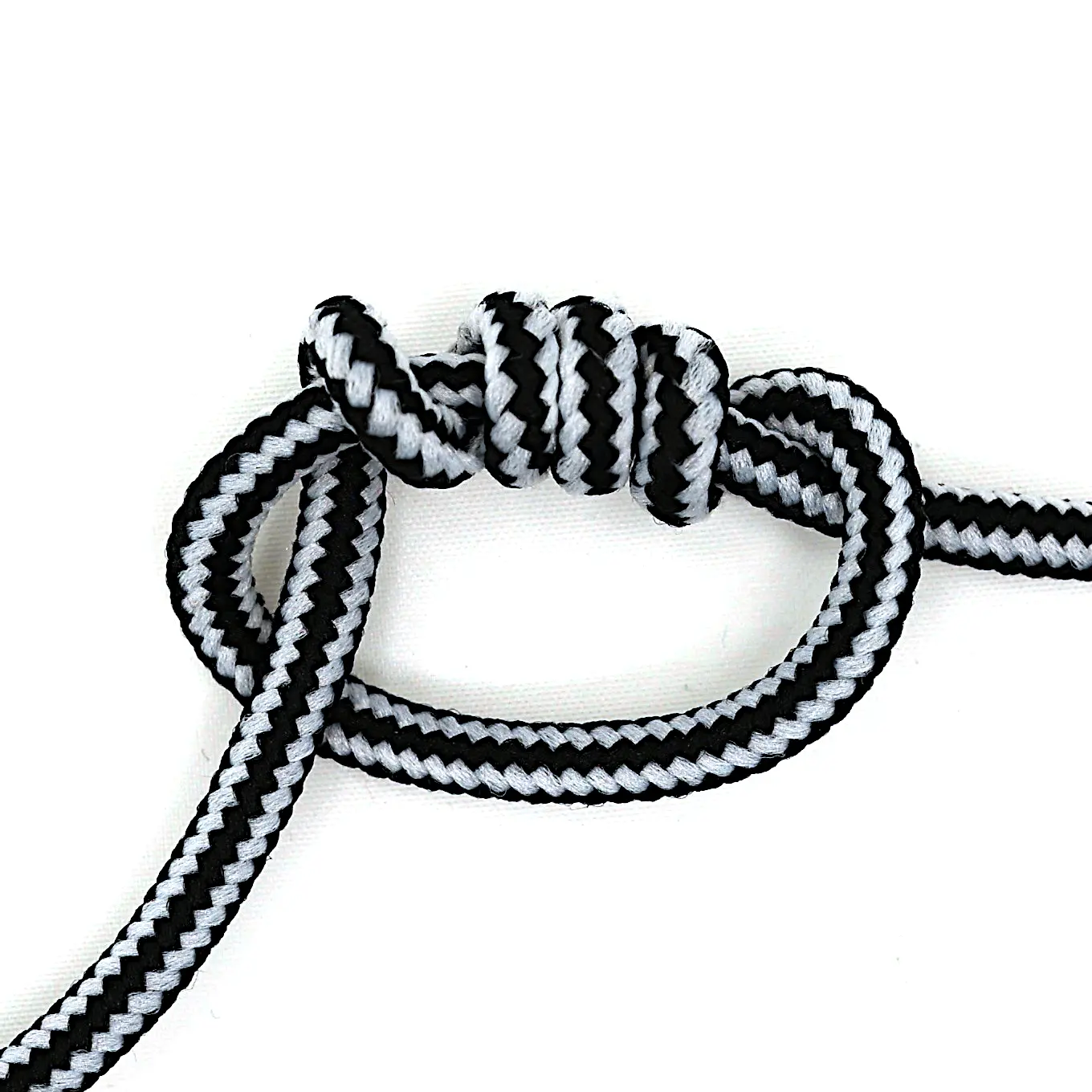
As one might expect, to tie a multiple OH knot, one tucks the working end through the initial loop as many times as desired. This is not complicated. What is annoying is moving such a knot to a particular place on a cord after it has been tied as might be required for a decorative knot. At this point it is helpful to have tools. Many and varied are the options ranging from a scrap of cord to gripfids, but cheap and easy to source is a simple drinking straw. Here, I cut a short straw segment to help tie my knot near its desired final location to minimize the fuss involved in moving a tied multiple OH knot.
Tying
-
step 1
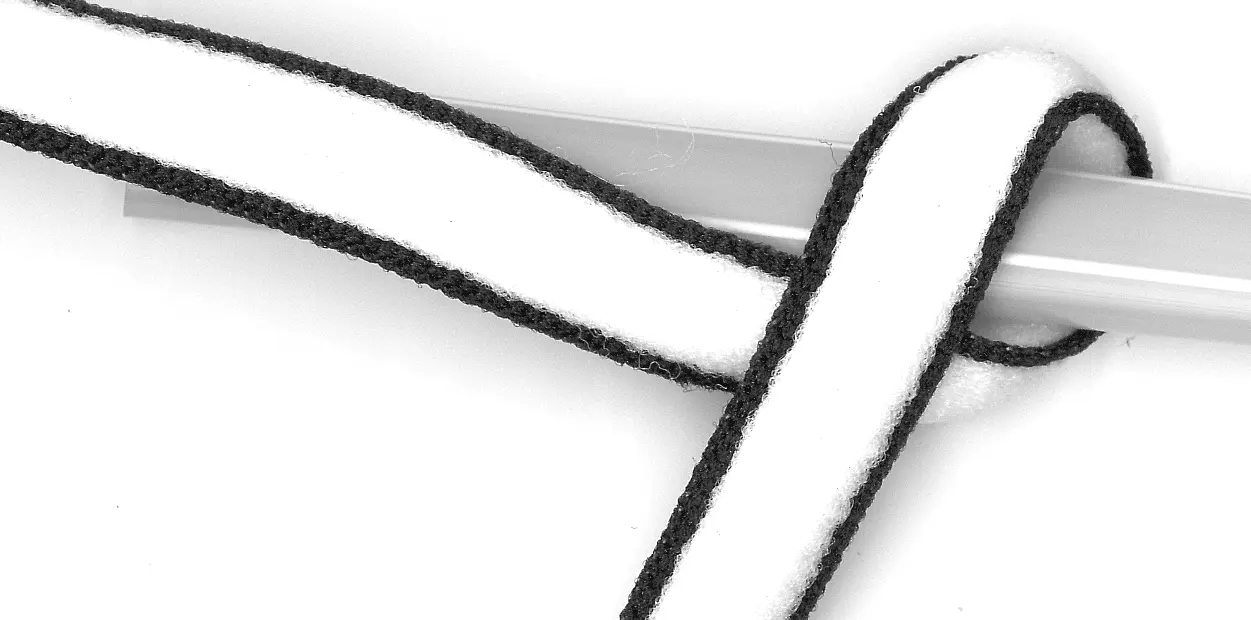
Lay the standing part of the cord along the straw, wrap a
full turn around the straw, crossing over the standing part.
-
-
step 2
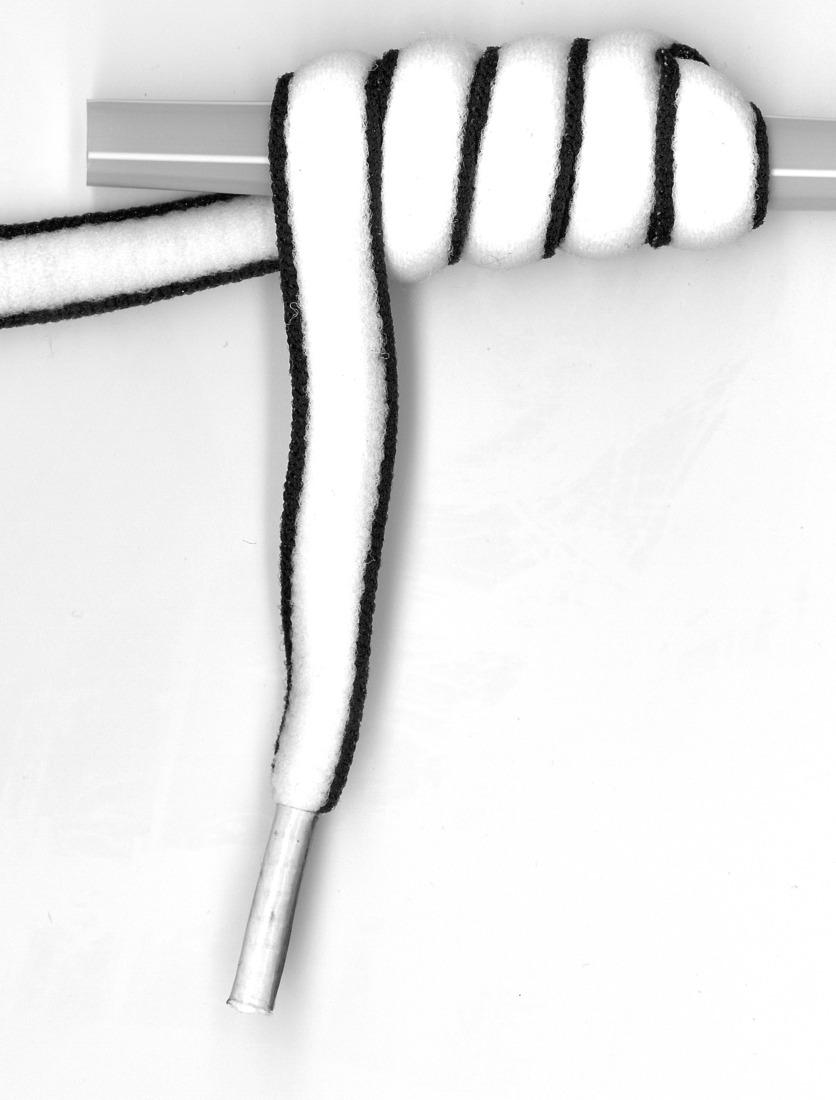
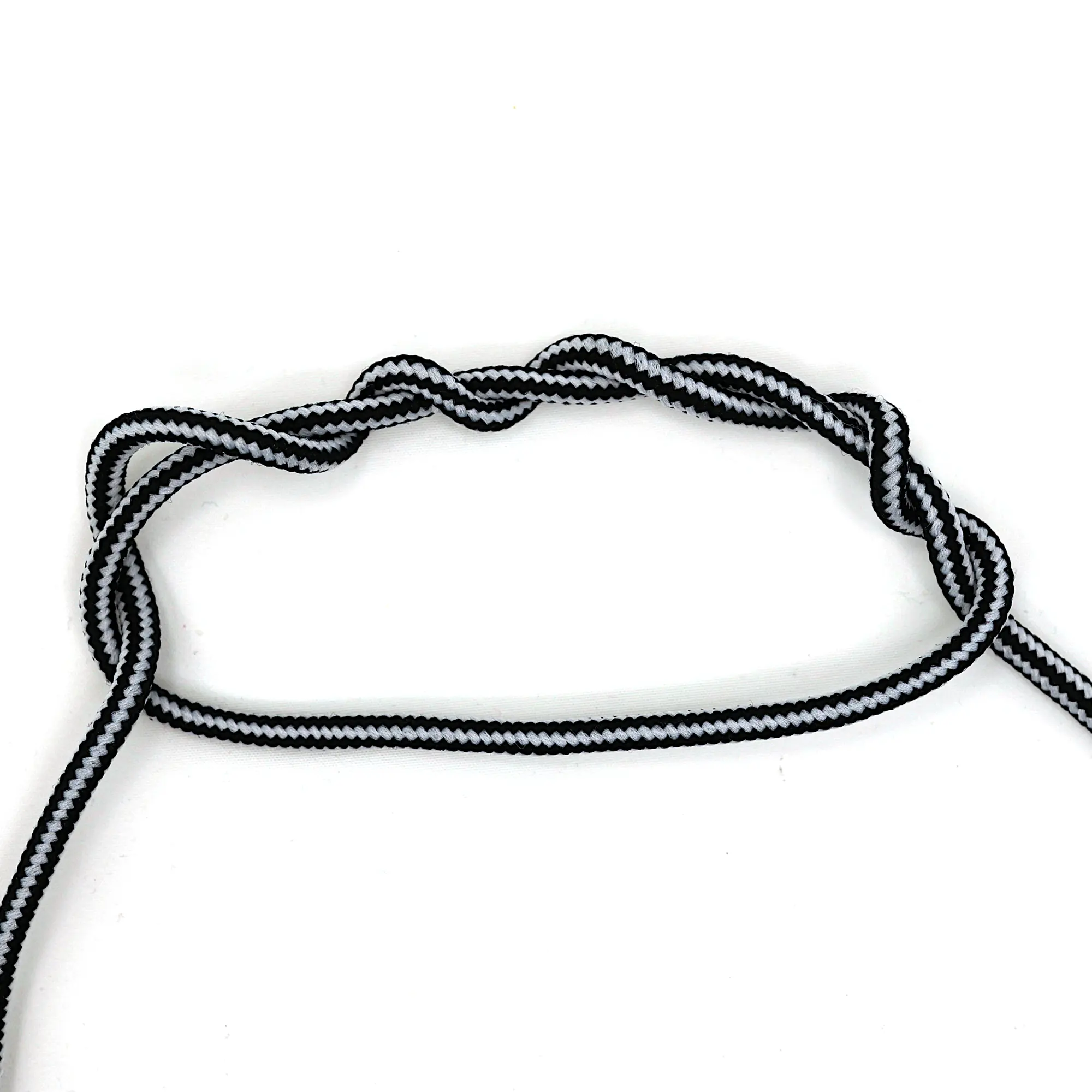
Coil the working part around the straw as many times as
desired. If a particular number is needed, count the number of
times the standing part is crossed.
-
-
step 3
Tuck the working end into the straw. Make sure the
working end is past the standing part to get the right count.
-
-
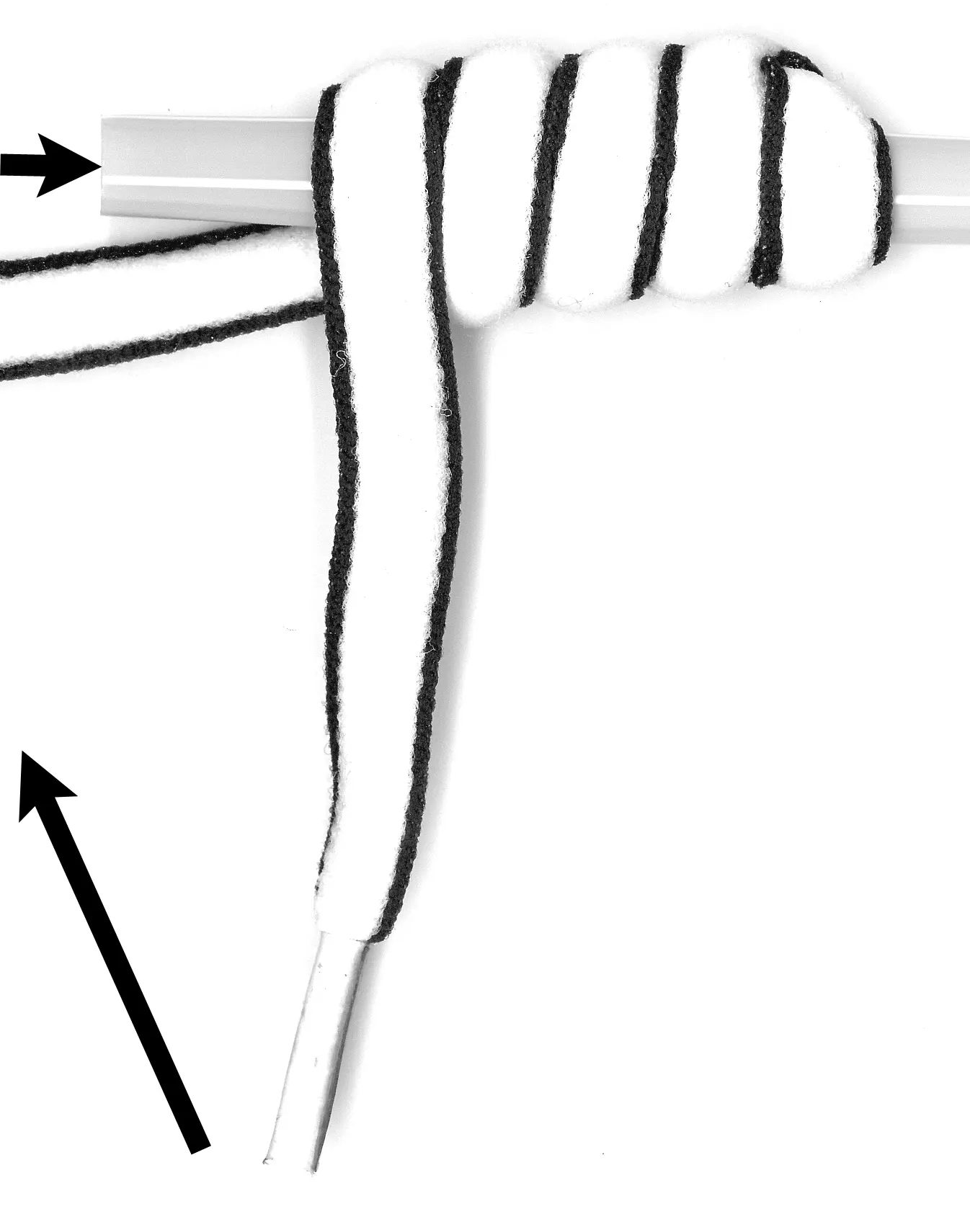
step 4
Guide the working end through the straw and pull through
the coil. Once the working end is safely through the entire coil,
the straw can be removed.
-
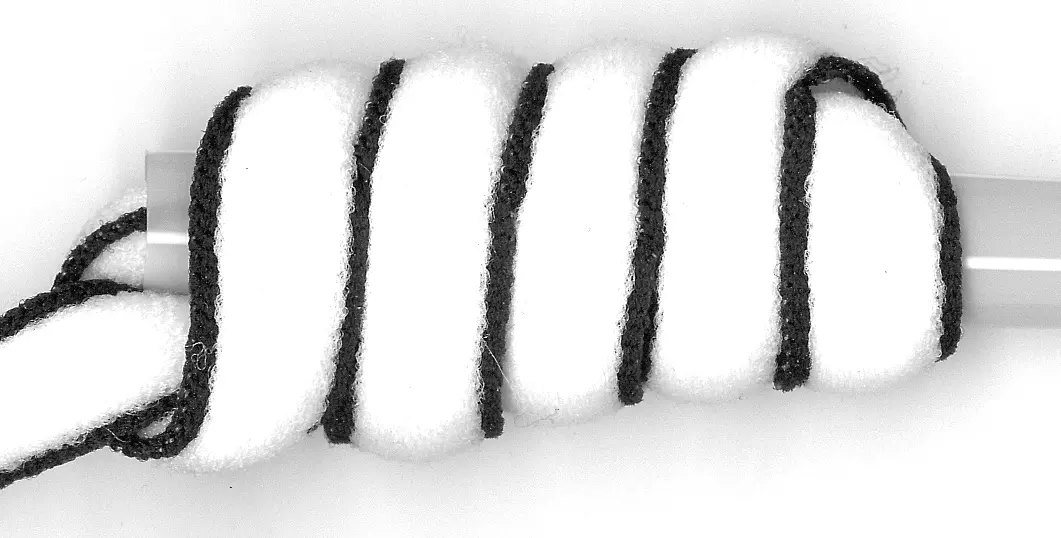
Tighten
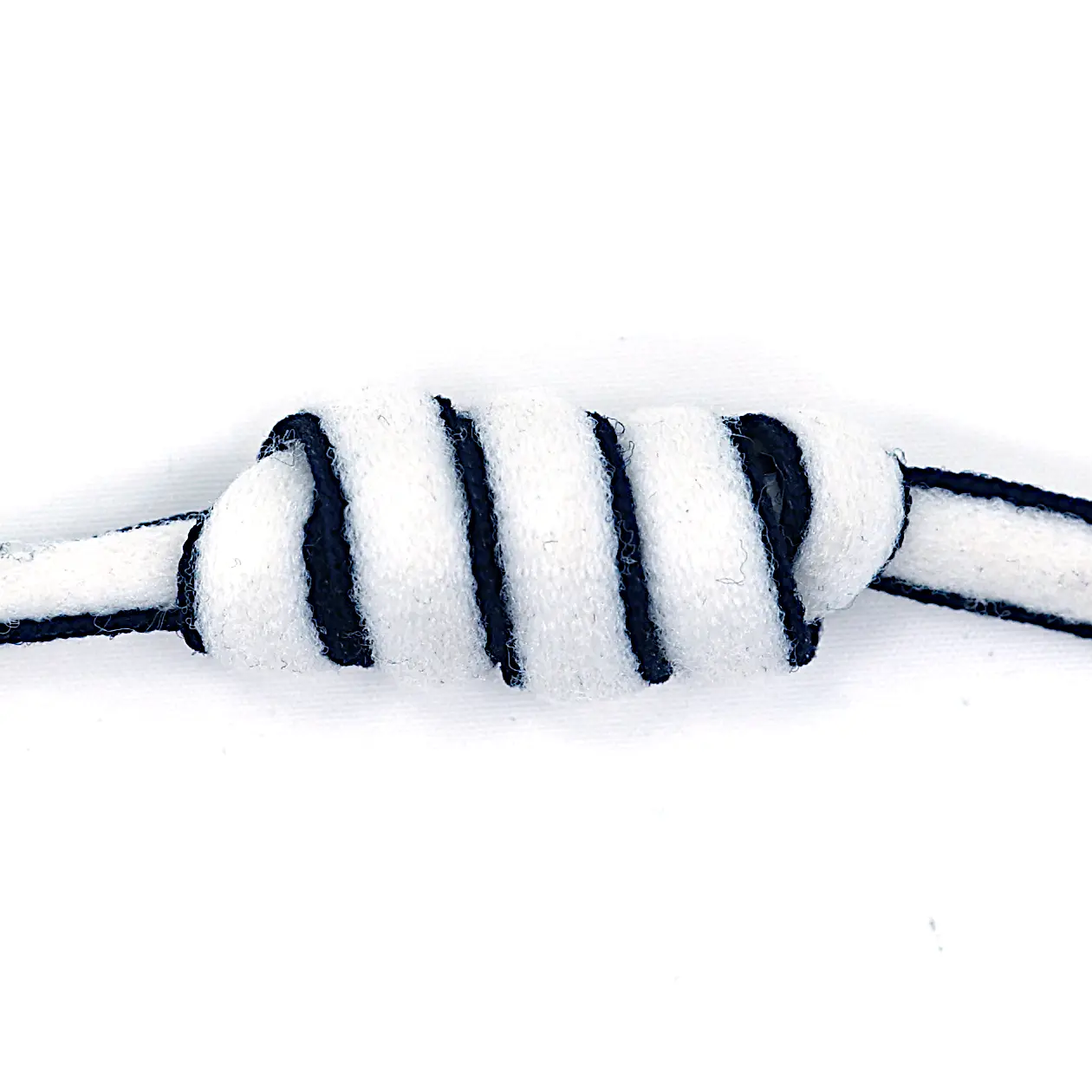
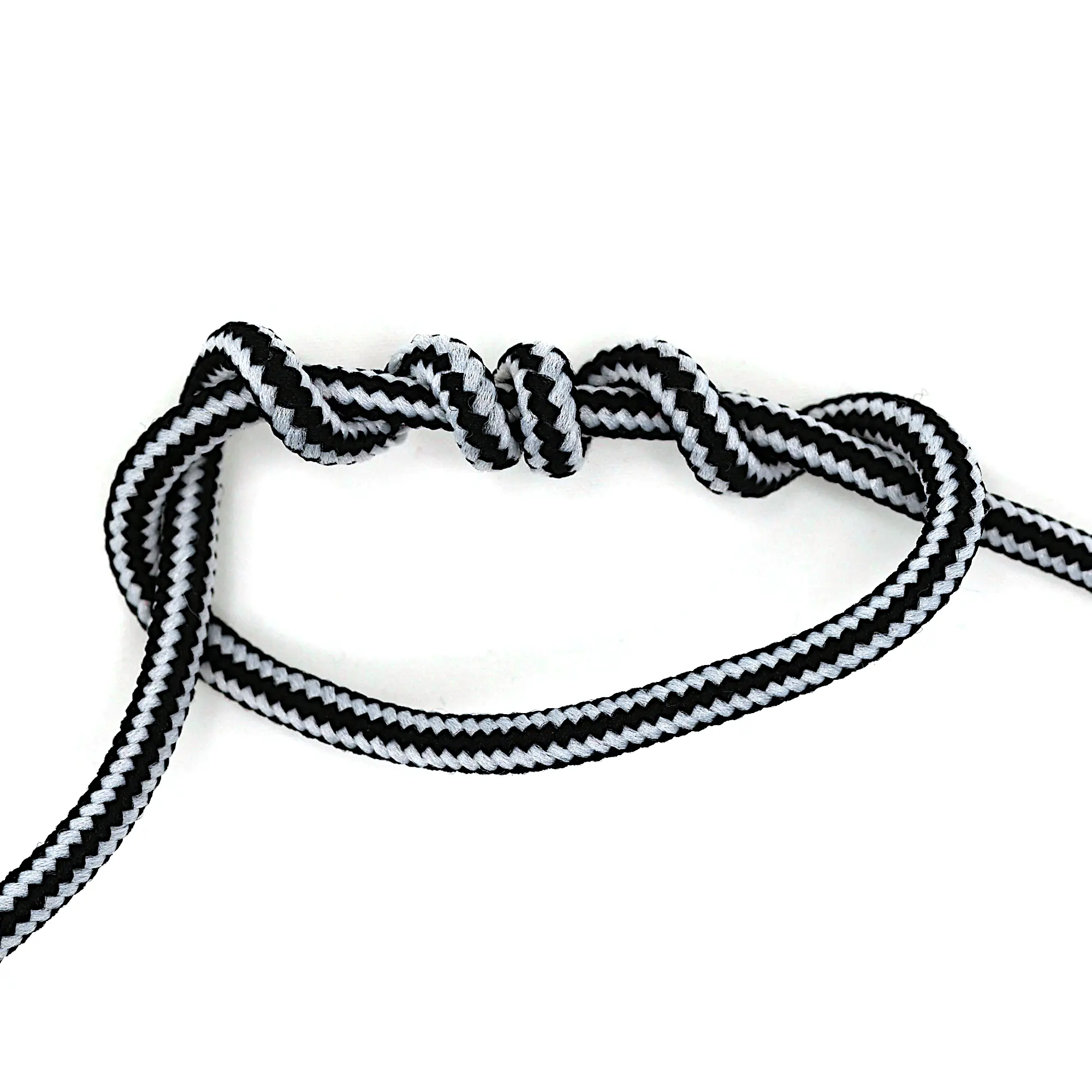
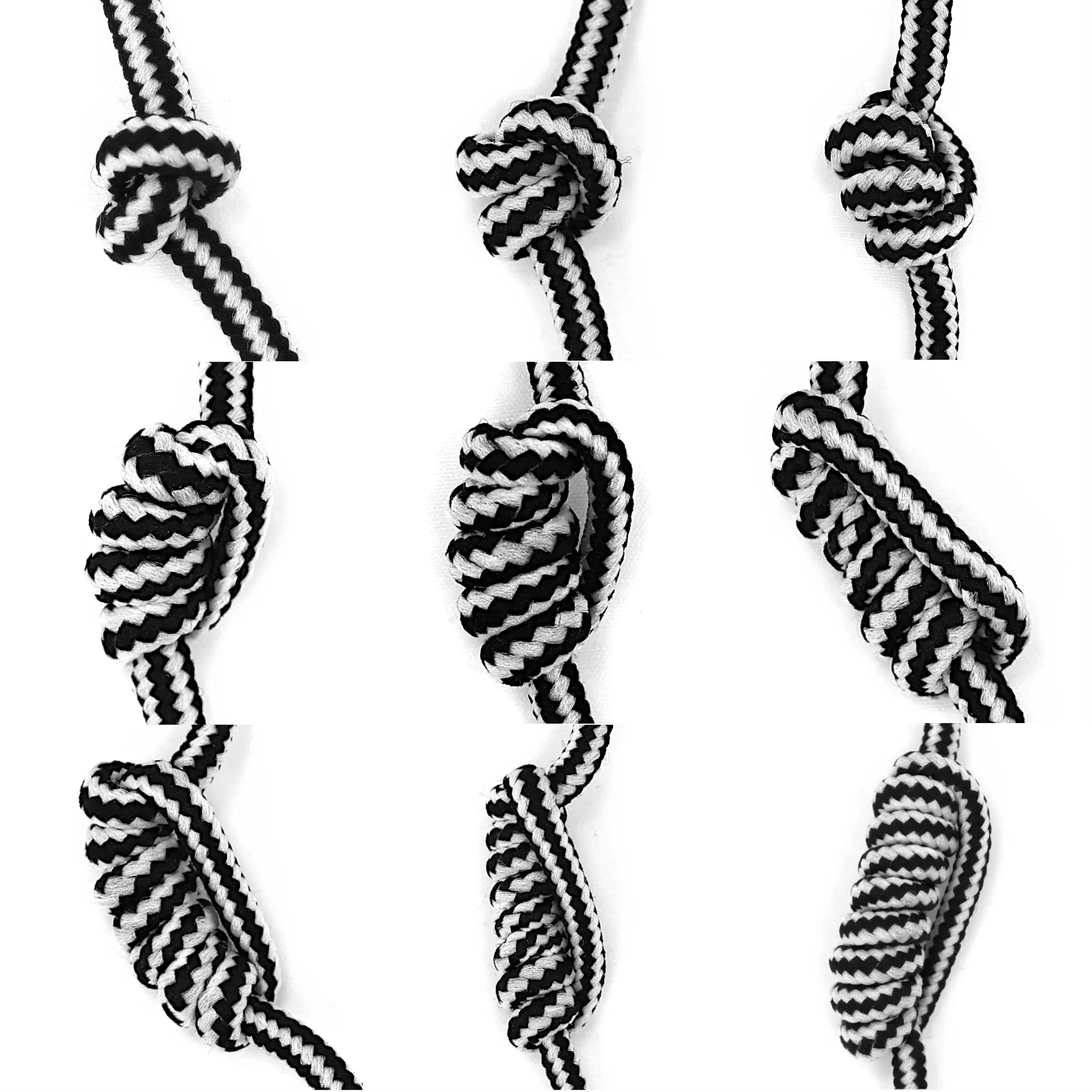
Even with a tool, the knot will still require slack removal, massage, and finessing to reach its final form. Also, be warned that wraps/twists that should be on the outside can disappear into the interior of the knot.
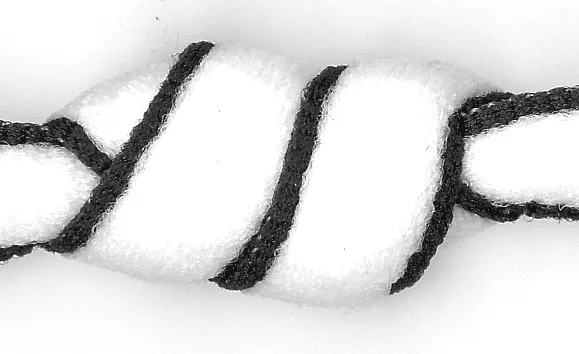
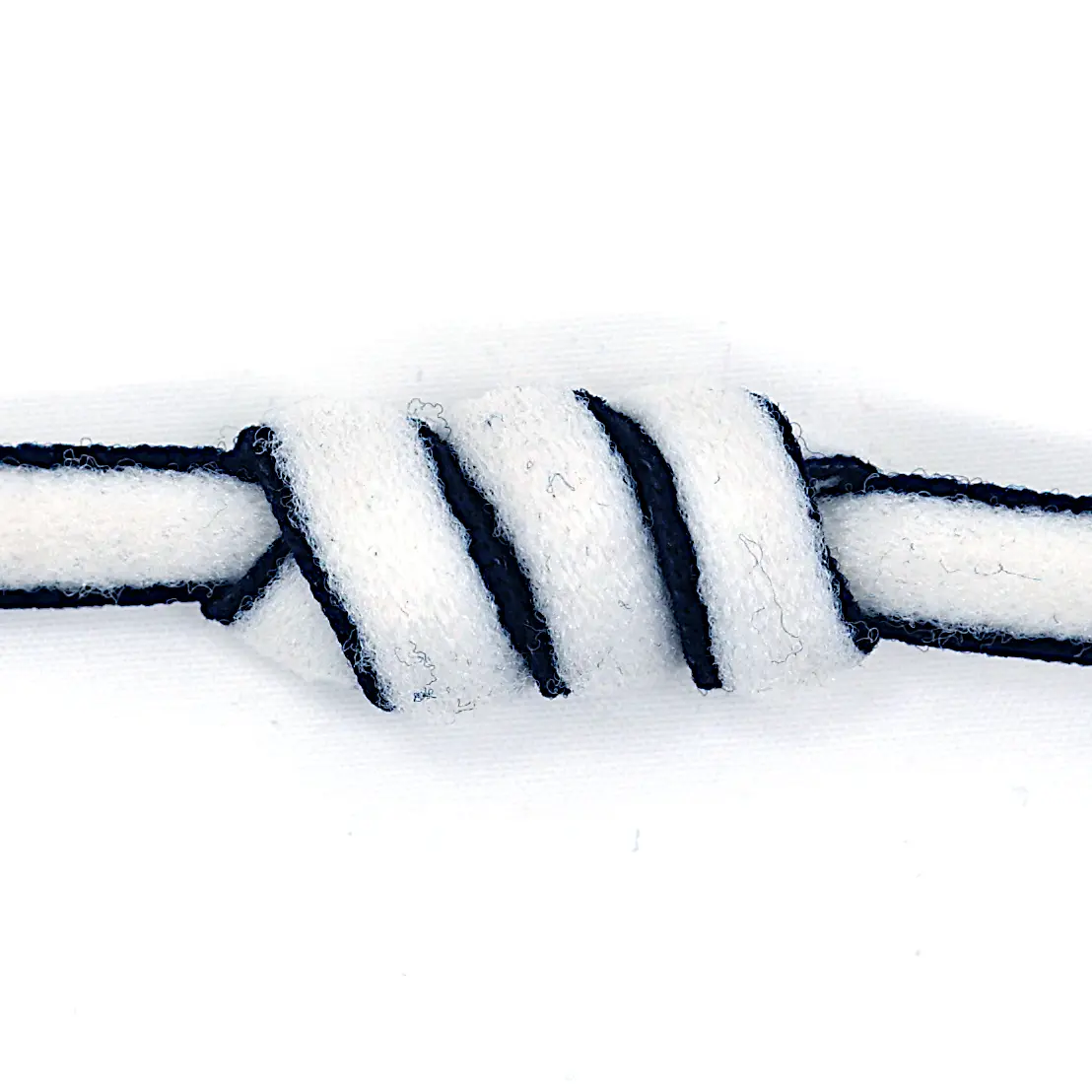
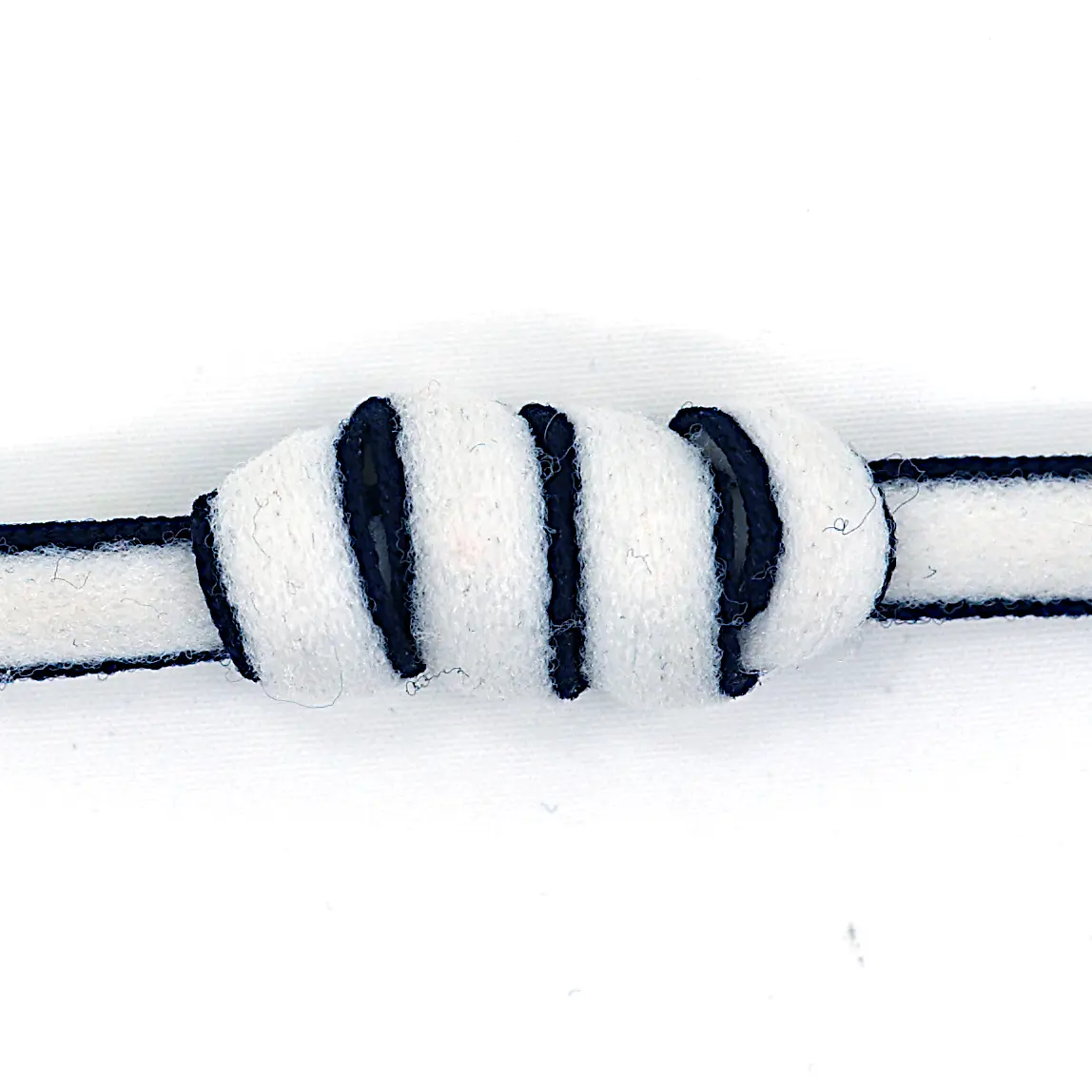
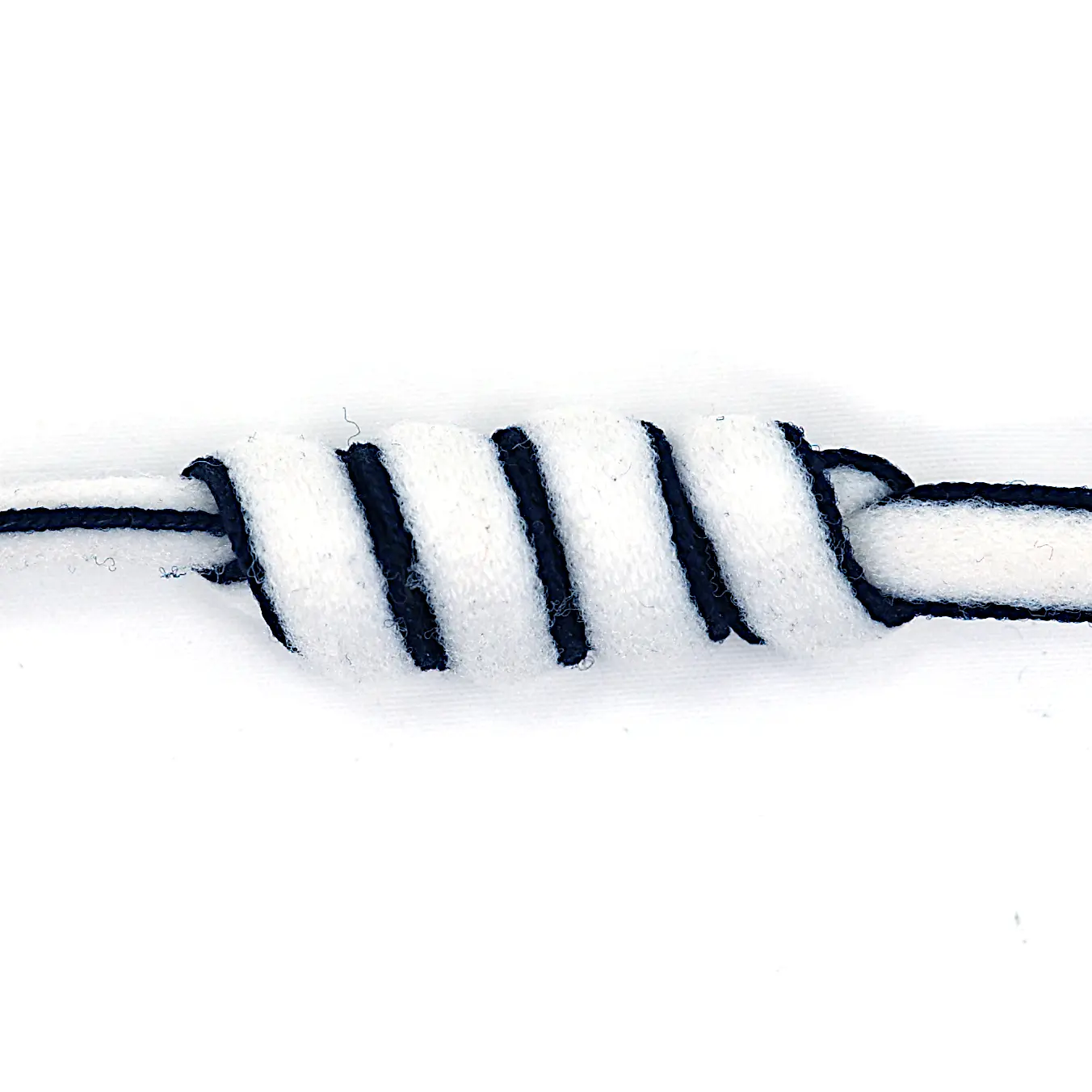
- triple Tightened triple OH knot.
- quadruple Tightened quadruple OH knot.
- quintuple Tightened quintuple OH knot.
-
quipu 1
The working end has been tucked through the initial loop
the desired number of times.
-
-
quipu 2
Ensure that the cord from the standing end is straight.
-
-
quipu 3
Pull slack out from the standing end, push the coil
towards the working end.
-
-
quipu 4
Encourage the coil to form purely from the working end,
finish removing slack from the standing end.
-
-
quipu n
Quipu long knots 1-9.
Note the loop that frames the coil, similar to a crochet bullion stitch.
The trick to tightening a quipu-style long knot is to only pull on one end at a time so that a full coil forms in one continuous segment of the cord and the cord segment through the coil is completely straight. When the knot if fully closed, pulling on both ends plus finessing the coil may be needed to properly tension the knot and finish removing slack.
-
Nomenclature
While you'd often be using the ordinal number of the size of the knot such as "quadruple OH knot", as a group the question was whether to use "long" or "multiple". The quipu unit knots are called "long" knots. They are the same knots but tightened differently.
Unfortunately, my books don't name multiple overhands as a group. Extrapolating from "止結" to "多重止結" gives us a search term that does not produce any results. The internet, at least, seems to want to use "多重反手結". The only site that I briefly thought agreed with me, actually uses "多重單結".
For consistency sake, in any case, at least on my sites, I'm using 多重止结, 多重止め結び, and 다중 옭매듭.